
Childhood obesity – Best Hospital in Salem
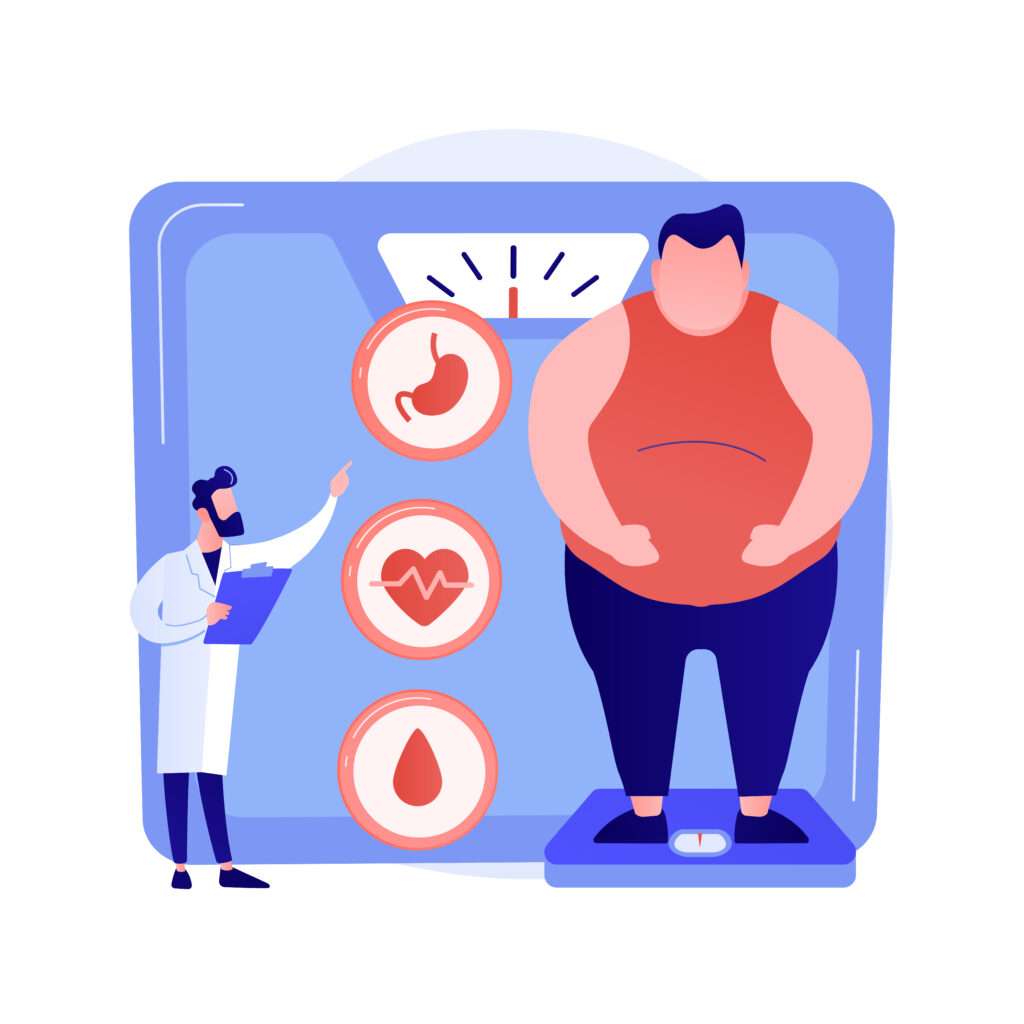
Understanding Childhood Obesity: Causes, Effects, and Solutions
Childhood obesity is a growing public health concern worldwide, with significant implications for a child’s physical, emotional, and social well-being. It occurs when a child has excess body fat that may negatively impact their health. Understanding the causes, effects, and solutions to childhood obesity is essential for parents, caregivers, and healthcare providers to help children lead healthier lives.
What is Childhood Obesity?
Childhood obesity is diagnosed when a child’s weight is significantly higher than what is considered healthy for their age and height. It is often measured using Body Mass Index (BMI), which compares a child’s weight to their height relative to other children of the same age and gender.
A BMI in the 95th percentile or above is classified as obese, while a BMI between the 85th and 94th percentiles is considered overweight.
Causes of Childhood Obesity
Several factors contribute to childhood obesity, including:
- Poor Diet:
- Consuming high-calorie, low-nutrient foods like fast food, sugary snacks, and beverages.
- Lack of fruits, vegetables, and whole grains in the diet.
- Lack of Physical Activity:
- Spending excessive time on sedentary activities like watching TV, playing video games, or using electronic devices.
- Limited opportunities for outdoor play or structured physical activity.
- Genetics and Family History:
- A family history of obesity increases the likelihood of a child being overweight or obese.
- Environmental Factors:
- Living in neighborhoods with limited access to safe parks, playgrounds, or recreational facilities.
- Exposure to unhealthy food marketing targeted at children.
- Psychological Factors:
- Emotional eating due to stress, anxiety, or depression.
- Sleep Deprivation:
- Inadequate sleep can disrupt hormones that regulate hunger and appetite, leading to overeating.
Effects of Childhood Obesity
Childhood obesity can have both short-term and long-term consequences:
- Physical Health Risks:
- Increased risk of type 2 diabetes, high blood pressure, and high cholesterol.
- Joint problems and musculoskeletal discomfort.
- Sleep apnea and breathing difficulties.
- Mental and Emotional Health:
- Low self-esteem and poor body image.
- Higher risk of depression and anxiety.
- Social isolation or bullying from peers.
- Long-Term Consequences:
- Greater likelihood of obesity in adulthood.
- Increased risk of chronic diseases like heart disease and certain cancers later in life.
How to Prevent and Manage Childhood Obesity
Preventing and managing childhood obesity requires a holistic approach involving families, schools, and communities. Here are some effective strategies:
1. Encourage Healthy Eating Habits
- Provide balanced meals rich in fruits, vegetables, lean proteins, and whole grains.
- Limit sugary drinks and snacks; opt for water, milk, or natural juices instead.
- Practice portion control and avoid oversized servings.
2. Promote Physical Activity
- Ensure children engage in at least 60 minutes of moderate to vigorous physical activity daily.
- Encourage activities like running, swimming, cycling, dancing, or playing sports.
- Limit screen time to no more than 1-2 hours per day.
3. Create a Supportive Environment
- Make healthy eating and active living a family priority.
- Stock your home with nutritious foods and remove unhealthy options.
- Set a positive example by adopting healthy habits yourself.
4. Prioritize Sleep
- Establish a consistent sleep schedule with age-appropriate bedtimes.
- Create a calming bedtime routine to help children wind down.
5. Address Emotional Needs
- Encourage open communication to address any emotional issues contributing to overeating.
- Seek professional help if your child is struggling with mental health challenges.
6. Involve Schools and Communities
- Advocate for healthier school meals and physical education programs.
- Support community initiatives that promote safe spaces for play and exercise.
When to Seek Medical Help
If your child is struggling with obesity, it’s important to seek guidance from a healthcare professional. At SK Hospital, under the expert care of Dr. S. Nishanth, our team provides personalized treatment plans to address childhood obesity. We focus on nutrition counseling, lifestyle modifications, and behavioral therapy to help children achieve and maintain a healthy weight.
For more information or to consult with Dr. S. Nishanth, visit his official website. You can also reach out to SK Hospital for expert consultation and compassionate care.
Conclusion
Childhood obesity is a complex issue that requires a collaborative effort from families, healthcare providers, and communities. By promoting healthy eating, regular physical activity, and emotional well-being, we can help children grow into healthier adults.
For expert guidance and personalized care, trust Dr. S. Nishanth and the dedicated team at SK Hospital. Together, we are committed to ensuring your child’s health and happiness.
