
Parent Guide to Managing Fever in Children.
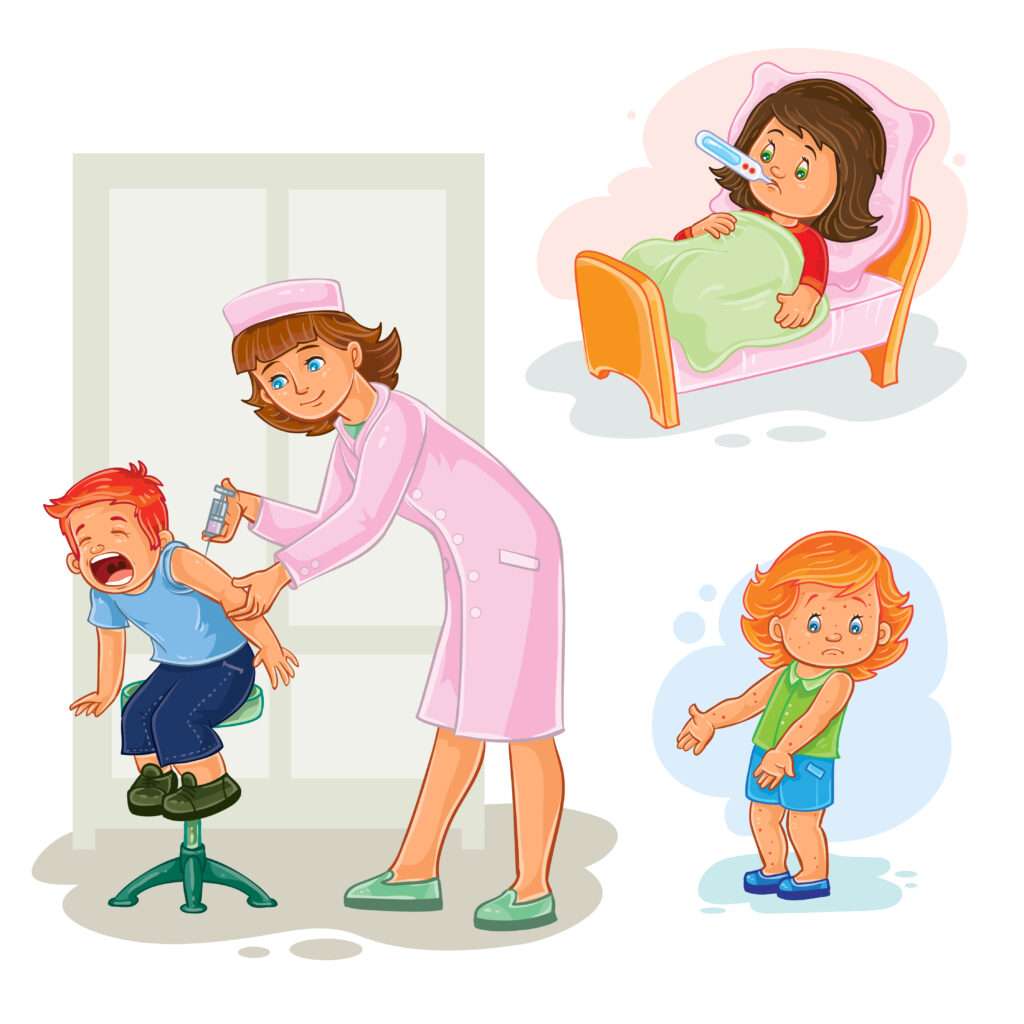
Parent Guide to Managing Fever in Children: Causes, Symptoms, and Care Tips
Fever is one of the most common reasons parents seek medical advice for their children. While it can be alarming to see your child with a high temperature, fever is often a sign that the body is fighting off an infection. Understanding how to manage fever effectively can help ease your child’s discomfort and ensure their safety. Here’s a comprehensive guide for parents on managing fever in children.
What is a Fever?
A fever occurs when the body’s internal temperature rises above the normal range (typically 98.6°F or 37°C). In children, a temperature of 100.4°F (38°C) or higher is considered a fever.
- Low-Grade Fever: 100.4°F–102.2°F (38°C–39°C)
- High Fever: Above 102.2°F (39°C)
While fever itself is not an illness, it is often a symptom of an underlying condition, such as a viral or bacterial infection.
Common Causes of Fever in Children
Fever can result from a variety of causes, including:
- Viral Infections: Common colds, flu, stomach viruses, and other viral illnesses.
- Bacterial Infections: Ear infections, throat infections (e.g., strep throat), urinary tract infections, or pneumonia.
- Immunizations: Mild fever after vaccinations is normal and usually resolves within a day or two.
- Teething: While teething may cause slight increases in temperature, it rarely causes a true fever.
- Heatstroke or Overheating: Excessive heat exposure can elevate body temperature.
Symptoms of Fever in Children
In addition to an elevated temperature, children with fever may exhibit:
- Chills or Shivering: Feeling cold despite having a high temperature.
- Sweating: As the fever breaks, sweating may occur.
- Fatigue and Irritability: Lethargy, crankiness, or excessive sleepiness.
- Loss of Appetite: Refusal to eat or drink.
- Body Aches: Complaints of headaches or muscle pain.
- Rapid Breathing or Flushed Skin: Signs of increased body temperature.
When to Seek Medical Attention
While most fevers are mild and resolve on their own, certain situations require immediate medical attention:
- Infants Under 3 Months: A rectal temperature of 100.4°F (38°C) or higher requires urgent evaluation.
- Children 3–6 Months: A fever above 102°F (39°C) should be assessed by a doctor.
- High Fever: Temperatures above 104°F (40°C) in children of any age.
- Persistent Fever: Fever lasting more than 3 days without improvement.
- Signs of Dehydration: Dry mouth, no tears when crying, or reduced urination.
- Severe Symptoms: Difficulty breathing, rash, seizures, lethargy, or inconsolable crying.
How to Manage Fever at Home
For mild fevers, you can provide comfort and care at home with these steps:
1. Monitor Temperature
- Use a reliable thermometer (digital or infrared) to check your child’s temperature regularly.
- Avoid using mercury thermometers, as they are unsafe.
2. Keep Your Child Hydrated
- Encourage fluids like water, diluted juices, or oral rehydration solutions to prevent dehydration.
- For infants, continue breastfeeding or formula feeding as usual.
3. Dress Appropriately
- Dress your child in lightweight clothing and use a light blanket if needed.
- Avoid bundling them in heavy layers, as this can trap heat and raise their temperature further.
4. Administer Fever-Reducing Medications
- Acetaminophen (Tylenol) or Ibuprofen (Advil, Motrin) can help reduce fever and relieve discomfort.
- Always follow the dosage instructions based on your child’s weight and age.
- Avoid giving aspirin to children, as it can cause Reye’s syndrome, a rare but serious condition.
5. Provide a Comfortable Environment
- Keep the room cool and well-ventilated.
- Use a lukewarm sponge bath to cool your child down, but avoid cold water or ice baths, as they can cause shivering and raise the fever.
When to Avoid Home Remedies
Certain practices can do more harm than good:
- Alcohol Rubs: Never use alcohol to cool your child, as it can be absorbed through the skin and cause toxicity.
- Starving a Fever: Ensure your child eats small, nutritious meals if they feel up to it.
Preventing Fever and Illness
While not all fevers can be prevented, you can reduce the risk of infections by:
- Practicing Good Hygiene: Teach your child to wash their hands frequently with soap and water.
- Keeping Vaccinations Up-to-Date: Immunizations protect against many infectious diseases.
- Avoiding Sick Contacts: Limit exposure to individuals who are ill.
- Promoting Healthy Habits: Ensure your child gets adequate sleep, nutrition, and physical activity to boost their immune system.
Why Trust Professional Guidance?
At SK Hospital, under the expert guidance of Dr. S. Nishanth, our team provides compassionate and evidence-based care for children with fever and other illnesses. Whether you’re seeking advice for managing a mild fever or need urgent care for a high fever, we’re here to support you every step of the way.
For more information or to consult with Dr. S. Nishanth, visit his official website. You can also reach out to SK Hospital for expert consultation and personalized care.
Conclusion
Fever is a natural response to infection and, in most cases, is not a cause for alarm. By understanding how to monitor and manage your child’s fever, you can provide comfort and ensure their well-being. However, always trust your instincts as a parent—if something feels wrong, don’t hesitate to seek medical advice.
For expert guidance and compassionate care, trust Dr. S. Nishanth and the dedicated team at SK Hospital. Together, we are committed to helping your child stay healthy and happy.
