
Life in the ICU: How Hospitals Manage Critically Ill Patients
Life in the ICU: How Hospitals Manage Critically Ill Patients
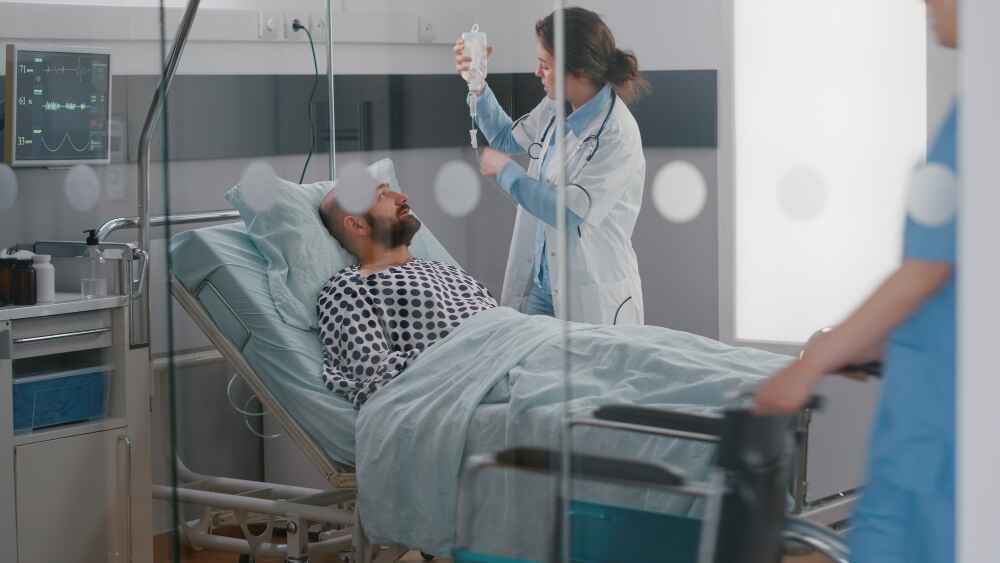
Life in the ICU: How Hospitals Manage Critically Ill Patients.Critical illness requires immediate and specialized care. Intensive Care Units (ICUs) are designed to provide life-saving treatment, constant monitoring, and expert medical interventions. But what happens inside an ICU, and how do hospitals manage critically ill patients?
What Is an ICU?
An Intensive Care Unit (ICU) is a hospital department that treats patients with severe or life-threatening conditions. These units are equipped with advanced medical technology and staffed by highly trained healthcare professionals, including intensivists, nurses, and respiratory therapists.
Patients in the ICU require close monitoring, as their conditions can change rapidly. Treatment often involves ventilators, intravenous medications, and continuous observation.
Who Needs ICU Care?
Not every patient requires intensive care, but certain medical emergencies demand specialized attention.
1. Patients with Respiratory Failure
Severe pneumonia, chronic lung diseases, and COVID-19 complications often lead to breathing difficulties. ICU care ensures proper oxygen support and, when necessary, ventilator assistance.
2. Cardiac Emergencies
Heart attacks, cardiac arrests, and irregular heart rhythms require immediate intervention. The ICU provides advanced cardiac monitoring and life-saving treatments.
3. Stroke and Neurological Conditions
Strokes, brain injuries, and seizures can cause severe complications. ICU specialists work to stabilize the patient and prevent further damage.
4. Sepsis and Severe Infections
When infections spread throughout the body, they can cause organ failure. ICU treatment includes antibiotics, fluids, and organ support to manage the condition.
5. Trauma and Accident Victims
Patients suffering from car accidents, severe burns, or multiple fractures often need intensive care to stabilize their injuries and prevent complications.
6. Post-Surgical Patients at High Risk
Some surgeries, such as heart or brain operations, require close monitoring. ICU teams ensure a safe recovery and respond quickly to any complications.
7. Poisoning and Overdose Cases
Toxic substances and drug overdoses can severely impact vital organs. Intensive care helps manage the effects and detoxify the body.
How ICU Teams Manage Critical Patients
Managing ICU patients requires a highly coordinated approach. Every aspect of care is designed to stabilize, treat, and improve the patient’s condition.
1. 24/7 Monitoring and Support
ICU patients are continuously observed. Doctors and nurses track vital signs, oxygen levels, and heart activity. Any sudden changes trigger an immediate response.
2. Advanced Medical Equipment
ICUs are equipped with ventilators, dialysis machines, and defibrillators to provide critical support. These devices help sustain life and assist in recovery.
3. Multidisciplinary Care Team
A team of specialists—including intensivists, surgeons, respiratory therapists, and nutritionists—collaborates to provide the best possible treatment.
4. Life-Saving Medications and Procedures
Critically ill patients often require powerful medications, such as sedatives, antibiotics, and blood thinners. Some also undergo emergency procedures like intubation or dialysis.
5. Emotional and Psychological Support
Being in an ICU can be stressful for both patients and families. Hospitals provide counseling and updates to help families understand the patient’s condition and recovery process.
Meet Dr. S Nishanth – Expert in Critical Care
Dr. S Nishanth is a highly skilled intensivist and general medicine specialist in Salem, Tamil Nadu. With extensive experience in critical care, he has successfully treated numerous ICU patients. His expertise ensures the best possible treatment and recovery for critically ill individuals.
📞 Call Now to Book an Appointment: 👉 Click Here
Contact Information:
📱 Phone: +91 8807086743
📧 Email: nishanth.s@sksh.ac.in
🌐 Website: www.drsnishanth.com
Conclusion
Life in the ICU is intense, both for patients and medical professionals. However, with advanced technology, expert care, and continuous monitoring, hospitals manage critically ill patients effectively. Whether dealing with respiratory failure, cardiac emergencies, or severe infections, ICU treatment plays a crucial role in saving lives.
For expert intensive care and general medical services in Salem, Dr. S Nishanth is a trusted specialist. His experience and commitment to patient care ensure the best outcomes.
📞 Call Now to Book an Appointment: 👉 Click Here
For more details, visit www.drsnishanth.com.
