
Overdose Recovery: The ICU Journey Explained
Overdose Recovery: The ICU Journey Explained
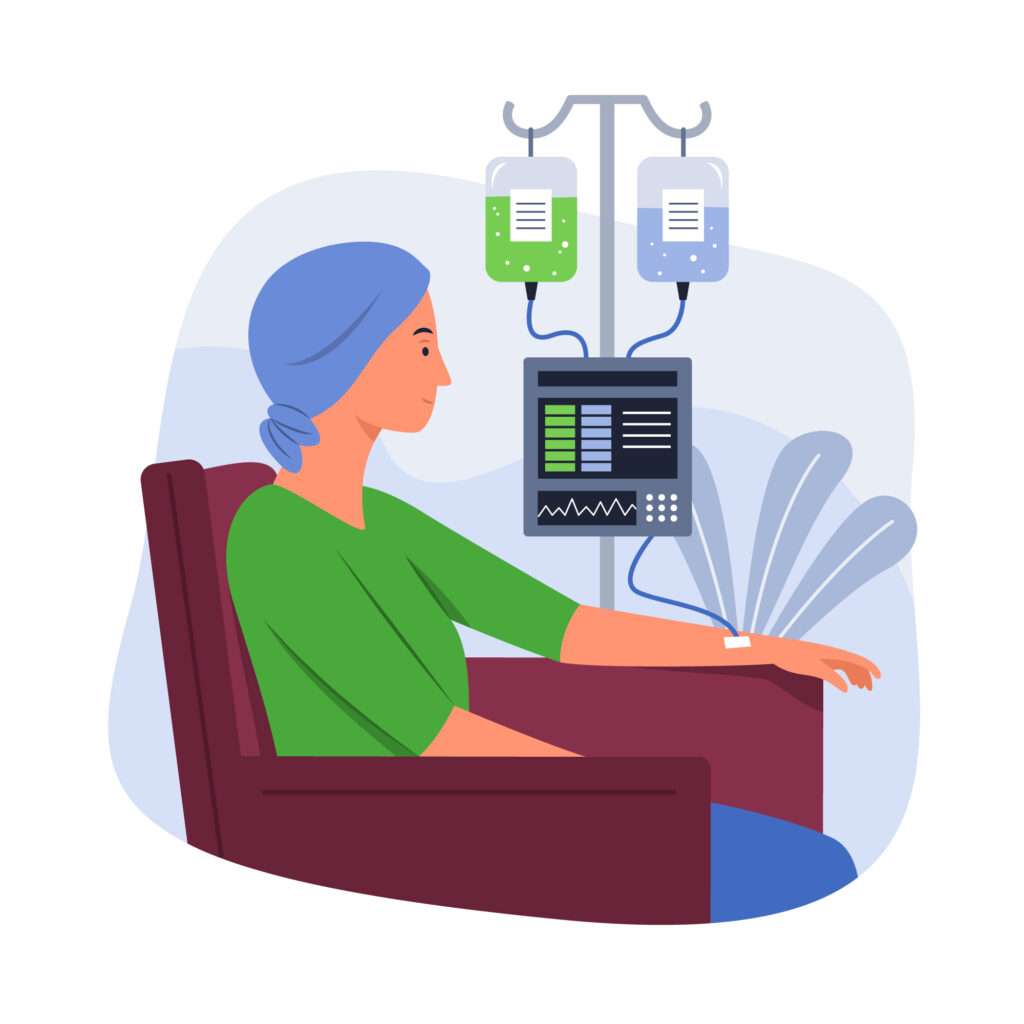
Overdose Recovery: The ICU Journey Explained.An overdose is a life-threatening event that requires immediate medical attention to prevent severe complications and even death. When someone experiences an overdose, whether from drugs, alcohol, or medications, timely intervention and proper treatment are crucial. For critical cases, patients are often transferred to the Intensive Care Unit (ICU), where they receive specialized care aimed at stabilizing their condition and supporting their recovery.
In this blog, we’ll walk you through the essential steps of overdose recovery in the ICU, from admission to stabilization and monitoring.
What Happens During an Overdose?
An overdose occurs when a person consumes a substance in amounts that exceed the body’s ability to process or tolerate it. The severity of an overdose can range from mild symptoms like nausea or dizziness to life-threatening conditions such as respiratory failure, organ damage, or unconsciousness. Common overdoses include:
- Drug overdoses (opioids, benzodiazepines, stimulants, etc.)
- Alcohol poisoning
- Medications (prescription or over-the-counter)
- Toxic substances (household chemicals, illicit drugs, etc.)
An overdose can overwhelm the body’s normal functioning, affecting vital organs such as the brain, lungs, heart, and kidneys, which is why prompt ICU care is often necessary.
ICU Admission and Initial Stabilization
When a patient is admitted to the ICU following an overdose, the first goal is to stabilize their condition. This process involves a comprehensive assessment of the patient’s vital signs, breathing, and overall health. Key steps in initial stabilization include:
1. Ensuring Airway and Breathing
If the overdose has affected the patient’s ability to breathe, mechanical ventilation or oxygen therapy may be required to ensure that the patient is receiving enough oxygen. Airway management is crucial, as respiratory failure is one of the most dangerous complications of an overdose.
2. Cardiovascular Support
An overdose can disrupt heart function, leading to low blood pressure, arrhythmias, or cardiac arrest. The ICU team provides intravenous fluids, medications, or defibrillation (if necessary) to restore stable heart function.
3. Detoxification and Removal of Toxins
In some cases, immediate measures like gastric lavage (stomach pumping), activated charcoal, or diuretics may be used to remove toxins from the body. For drug overdoses, specific antidotes (e.g., naloxone for opioid overdoses) may be administered to reverse the effects of the drug.
Monitoring and Intensive Care in the ICU
Once the patient’s condition has been stabilized, the ICU team closely monitors them for any signs of complications. Overdose patients often require continuous surveillance to ensure they remain stable and recover effectively. Key aspects of monitoring include:
1. Vital Signs Monitoring
Continuous monitoring of heart rate, blood pressure, oxygen levels, and temperature helps the medical team detect early signs of deterioration and adjust treatments as needed. If the overdose has affected the patient’s organs, early intervention can prevent further damage.
2. Organ Function Support
An overdose may impact the liver, kidneys, or heart. The ICU team may use dialysis for kidney failure or blood pressure support medications to help the cardiovascular system recover. If the overdose is causing organ toxicity, treatments are provided to minimize the damage.
3. Neurological Monitoring
Some overdoses, especially those involving drugs or alcohol, can impair brain function. The ICU team will monitor the patient’s consciousness, pupillary response, and neurological status regularly to ensure that the overdose is not leading to lasting brain damage.
Long-Term Overdose Recovery: The ICU Approach
Once the patient’s life-threatening symptoms have been managed, and their condition has stabilized, the next phase of recovery begins. The ICU team works on a long-term recovery plan that addresses the patient’s physical, emotional, and psychological needs. This phase includes:
1. Weaning from Ventilator Support
If the patient required mechanical ventilation, the ICU team will gradually reduce the level of support to help the patient regain independent breathing. This process requires careful monitoring to avoid complications like pneumonia or lung damage.
2. Pain and Comfort Management
Patients recovering from an overdose may experience discomfort or withdrawal symptoms. The ICU team provides pain management, sedation, and supportive care to ensure the patient is as comfortable as possible during their recovery process.
3. Psychological and Addiction Support
Many overdose cases are related to substance abuse. After the patient has stabilized, the ICU team may involve mental health specialists to evaluate and support the patient’s psychological needs. Counseling, addiction treatment, and referrals to rehabilitation centers can help prevent future overdoses and support long-term recovery.
Key Treatments During Overdose Recovery in the ICU
- Airway and Respiratory Support: Ensuring the patient can breathe and oxygenate properly.
- Cardiovascular Support: Managing blood pressure and heart function to stabilize the patient.
- Detoxification: Using methods like gastric lavage or activated charcoal to eliminate toxins.
- Organ Function Monitoring: Regular checks on kidney, liver, and heart function.
- Neurological Support: Continuous assessment of the brain’s recovery and function.
- Psychological Support: Addressing addiction or emotional distress to support the patient’s mental health.
Conclusion
Overdose recovery in the ICU is a complex and intensive process that requires immediate attention, careful monitoring, and specialized care. The ICU team plays a crucial role in stabilizing the patient, preventing complications, and providing long-term support. While the journey to recovery can be challenging, with the right treatment and support, many overdose patients can fully recover and go on to lead healthier lives.
If you or someone you know is experiencing an overdose, it is important to seek medical help immediately. Quick action can save lives.
For expert medical care and more information about overdose recovery, visit Dr. S Nishanth’s Hospital.
