
Pneumonia: Considerations for the Critically Ill Patient
Pneumonia: Considerations for the Critically Ill Patient
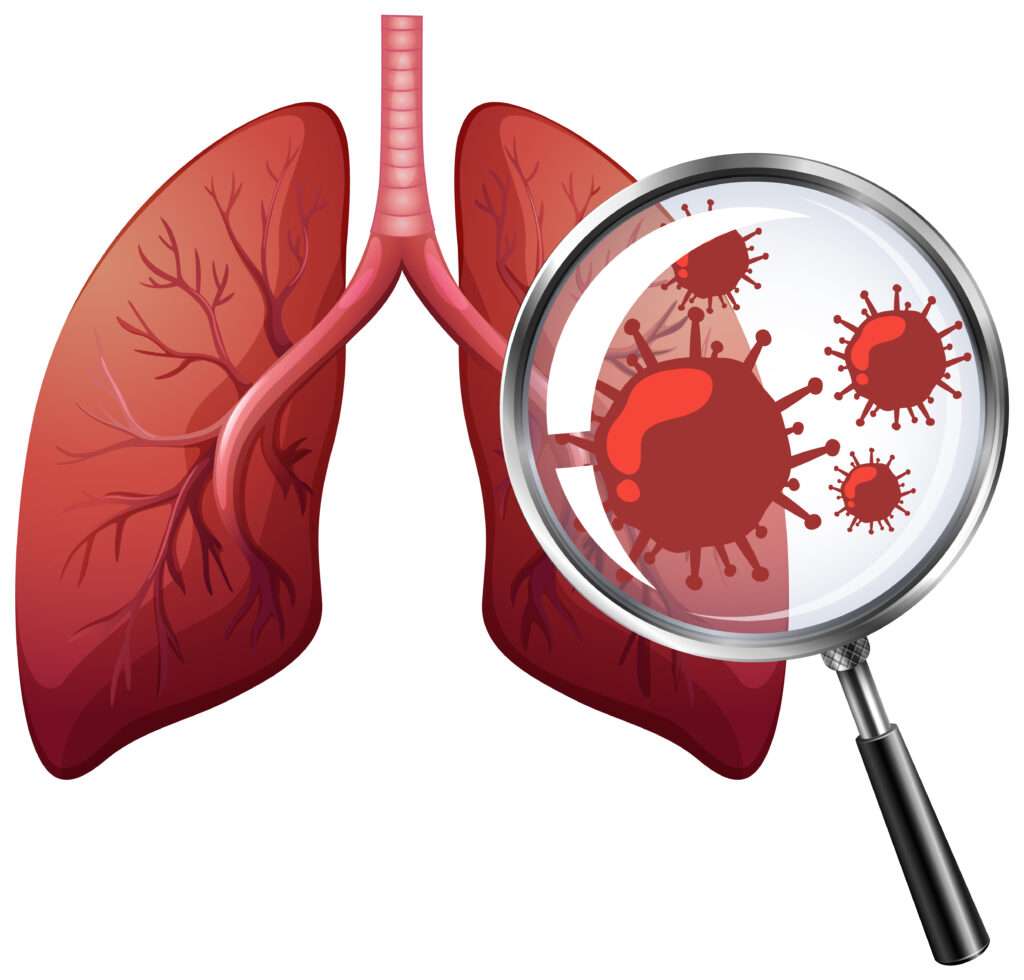
Pneumonia is a common yet serious infection that affects the lungs, leading to inflammation of the air sacs. In critically ill patients, pneumonia can complicate existing medical conditions and result in severe complications, including respiratory failure, sepsis, and even death if not treated promptly and effectively.Pneumonia: Considerations for the Critically Ill Patient.
This blog will delve into the unique considerations for treating pneumonia in critically ill patients, focusing on diagnosis, treatment, and the importance of advanced care in managing this condition.
What is Pneumonia?
Pneumonia is an infection that causes inflammation in the lungs, specifically the alveoli (the tiny air sacs in the lungs). The infection may be caused by bacteria, viruses, fungi, or even inhalation of harmful substances. In most cases, the infection causes the alveoli to fill with fluid or pus, impairing oxygen exchange and leading to symptoms such as fever, cough, chest pain, and difficulty breathing.
In critically ill patients, pneumonia can become particularly dangerous, especially if they already have underlying health conditions, weakened immune systems, or are recovering from major surgeries or trauma.
Risk Factors for Pneumonia in Critically Ill Patients
Critically ill patients are at a higher risk for developing pneumonia due to various factors, including:
- Weakened immune system: Patients with immunosuppressive conditions, such as cancer or HIV, or those on immunosuppressive medications, are more vulnerable.
- Mechanical ventilation: Patients on ventilators (also known as ventilator-associated pneumonia or VAP) are at a high risk of developing pneumonia due to the presence of foreign objects in the airway.
- Chronic lung conditions: Conditions like chronic obstructive pulmonary disease (COPD) or asthma can complicate pneumonia in critically ill patients.
- Recent surgery or trauma: Post-operative patients or those with severe injuries may develop pneumonia due to prolonged immobility or aspiration of food or fluids into the lungs.
- Malnutrition: Patients with poor nutritional status often have weakened respiratory muscles and compromised immune systems, increasing the risk of pneumonia.
Symptoms of Pneumonia in Critically Ill Patients
The symptoms of pneumonia in critically ill patients can range from mild to severe and may include:
- Shortness of breath or labored breathing
- Chest pain that worsens with deep breaths or coughing
- Cough with phlegm or blood
- Fever and chills
- Rapid heart rate
- Low blood pressure
- Confusion or changes in mental status (especially in elderly patients)
Because pneumonia can progress quickly in critically ill patients, these symptoms should be evaluated promptly.
Diagnosis of Pneumonia in Critically Ill Patients
To diagnose pneumonia in critically ill patients, healthcare providers typically rely on a combination of the following:
- Physical examination: Auscultation of the lungs to detect abnormal lung sounds, such as crackles or wheezing.
- Chest X-ray: To identify infiltrates or fluid in the lungs.
- Blood tests: To identify infection and assess the severity of the illness, including a complete blood count (CBC) and arterial blood gas (ABG) analysis.
- Sputum cultures: To determine the specific bacteria, virus, or fungus causing the infection.
- Bronchoscopy: In some cases, a bronchoscope may be used to take samples from the lungs for testing.
Early detection and prompt treatment are essential to improve outcomes in critically ill patients with pneumonia.
Treatment of Pneumonia in Critically Ill Patients
The treatment of pneumonia in critically ill patients requires careful and aggressive management. Common treatments include:
1. Antibiotics and Antiviral Medications
- Broad-spectrum antibiotics are often administered initially to treat bacterial pneumonia, and the choice of antibiotic is adjusted once the specific pathogen is identified.
- Antiviral medications may be prescribed for viral pneumonia caused by influenza, COVID-19, or other viruses.
2. Oxygen Therapy
- Supplemental oxygen is often required to maintain adequate oxygen levels in the blood, especially for patients with severe pneumonia who are experiencing respiratory distress.
3. Mechanical Ventilation
- In cases of severe pneumonia, patients may require a ventilator to assist with breathing and ensure oxygen is properly delivered to the lungs.
4. Drainage of Pleural Effusions
- If fluid accumulates around the lungs (pleural effusion), thoracentesis or drainage may be performed to remove the excess fluid and improve breathing.
5. Supportive Care
- In addition to targeted treatments, fluid management, nutrition, and pain management are critical in supporting critically ill patients during recovery.
ICU Care for Pneumonia
ICU care for pneumonia focuses on closely monitoring the patient’s condition and providing advanced interventions. This includes:
- Continuous monitoring of oxygen levels, heart rate, blood pressure, and temperature.
- Adjusting treatments based on the patient’s response and any developing complications.
- Multi-disciplinary care, involving respiratory therapists, intensivists, and infectious disease specialists to ensure the best possible outcomes.
Conclusion
Pneumonia in critically ill patients requires urgent and specialized care. Early recognition and treatment, along with advanced ICU care, can significantly improve outcomes and reduce the risk of complications. In Salem, hospitals equipped with state-of-the-art facilities and expert teams ensure comprehensive care for pneumonia and other critical conditions.
For more information on pneumonia care and treatments, visit drsnishanth.com.
