
Acute Respiratory Distress Syndrome
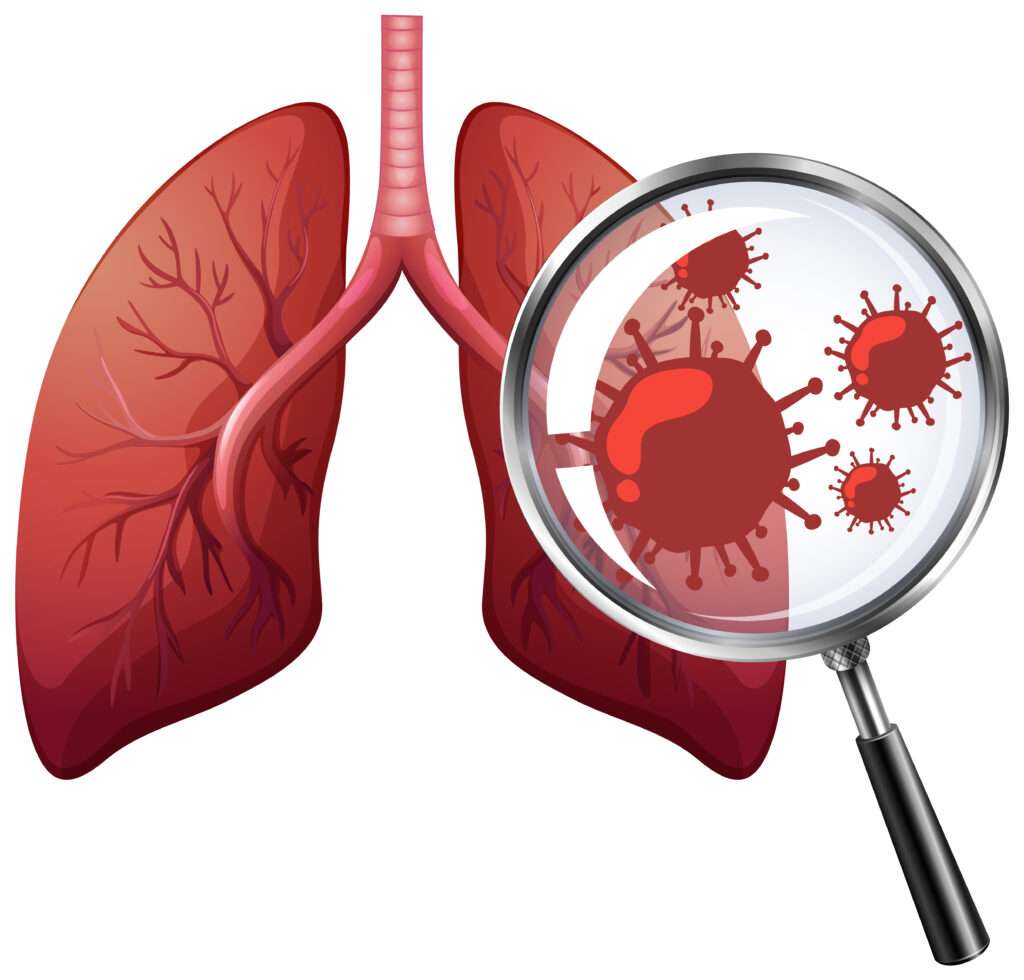
Acute Respiratory Distress Syndrome (ARDS): Understanding and Treatment
Acute Respiratory Distress Syndrome (ARDS) is a serious medical condition that causes severe inflammation in the lungs, leading to impaired oxygen exchange and respiratory failure. It often develops rapidly in patients already suffering from other medical conditions such as pneumonia, trauma, or sepsis. Timely recognition and intervention are crucial for improving survival rates and reducing complications.
In this blog, we’ll explore the causes, symptoms, diagnosis, and treatment options for ARDS, particularly focusing on the advanced care available in Salem.
What is ARDS?
ARDS is a condition in which the lungs become severely inflamed, causing fluid to accumulate in the alveoli (the tiny air sacs responsible for oxygen exchange). This fluid buildup makes it difficult for the lungs to provide adequate oxygen to the bloodstream, leading to low oxygen levels throughout the body.
ARDS can occur as a result of various factors such as:
- Pneumonia: Infections that inflame the lungs
- Sepsis: A severe infection that spreads throughout the body
- Trauma: Physical injuries, particularly to the chest or head
- Aspiration: Inhalation of food, liquid, or vomit into the lungs
- Inhalation of toxic substances: Smoke, chemicals, or pollutants
Patients with ARDS often require immediate medical care, typically in an Intensive Care Unit (ICU) setting, for continuous monitoring and specialized treatments.
Symptoms of ARDS
The symptoms of ARDS can appear quickly and worsen rapidly. Common signs and symptoms include:
- Severe shortness of breath or difficulty breathing
- Rapid breathing (tachypnea)
- Bluish skin or lips (cyanosis) due to low oxygen levels
- Extreme fatigue and weakness
- Confusion or mental confusion due to lack of oxygen in the brain
If these symptoms are observed, immediate medical attention is required. Timely treatment in an ICU setting can significantly improve patient outcomes.
Diagnosis of ARDS
To diagnose ARDS, doctors typically rely on a combination of:
- Medical history: To assess any potential causes such as infection, trauma, or inhalation of toxic substances
- Physical examination: To check for signs of respiratory distress
- Chest X-ray: To identify fluid accumulation in the lungs
- Blood gas tests: To measure oxygen levels in the blood and determine the severity of the condition
- CT scan: In some cases, to get a more detailed view of lung inflammation
Treatment Options for ARDS
Treatment for ARDS typically takes place in an ICU, where doctors and healthcare providers can provide continuous monitoring and advanced therapies. The primary focus is on improving oxygen levels and supporting the patient’s breathing.
Some treatment options include:
- Oxygen Therapy: To maintain adequate oxygen levels in the bloodstream.
- Mechanical Ventilation: In severe cases, patients may need a ventilator to assist with breathing.
- Medications: To treat the underlying cause (such as antibiotics for infections) and reduce inflammation in the lungs.
- Prone Positioning: Placing patients on their stomachs may help improve oxygenation in some cases of ARDS.
- Sedatives and Muscle Relaxants: To reduce discomfort and prevent the patient from resisting the ventilator.
Advanced care available in Salem ensures patients receive personalized treatment plans tailored to their specific condition and needs.
Conclusion
ARDS is a life-threatening condition that requires immediate and specialized care. If you or a loved one are showing symptoms of ARDS, seeking prompt medical attention is critical. Salem offers expert care with advanced treatment options for ARDS, ensuring the best possible outcomes for patients.
For more information on available services or to schedule an appointment, please visit drsnishanth.com.
Let me know if any further changes are needed!
