
Dengue Fever – Multi Speciality Hospital in Salem
Understanding Dengue Fever: Symptoms, Causes, Prevention, and Treatment
Dengue Fever – Multi Speciality Hospital in Salem .Dengue fever is a mosquito-borne viral illness that poses a significant health risk, especially in tropical and subtropical regions. With its potential to escalate into severe forms, understanding its symptoms, causes, prevention strategies, and treatment options is essential for safeguarding your health. Here’s everything you need to know about dengue fever.
Symptoms of Dengue Fever
Dengue fever manifests with a range of symptoms that typically appear 4 to 10 days after being bitten by an infected mosquito. These include:
- High Fever: A sudden spike in body temperature, often reaching up to 104°F (40°C).
- Severe Headache: An intense headache, particularly felt behind the eyes.
- Muscle and Joint Pain: Severe pain in muscles and joints, which has earned dengue its nickname, “Breakbone Fever.”
- Skin Rash: A rash that usually develops a few days after the onset of fever.
- Mild Bleeding: Symptoms like nosebleeds, gum bleeding, or easy bruising.
- Fatigue: Persistent tiredness and weakness, even after the fever subsides.
If any of these symptoms worsen or if warning signs such as severe abdominal pain, persistent vomiting, difficulty breathing, or bleeding occur, immediate medical attention is crucial.
What Causes Dengue Fever?
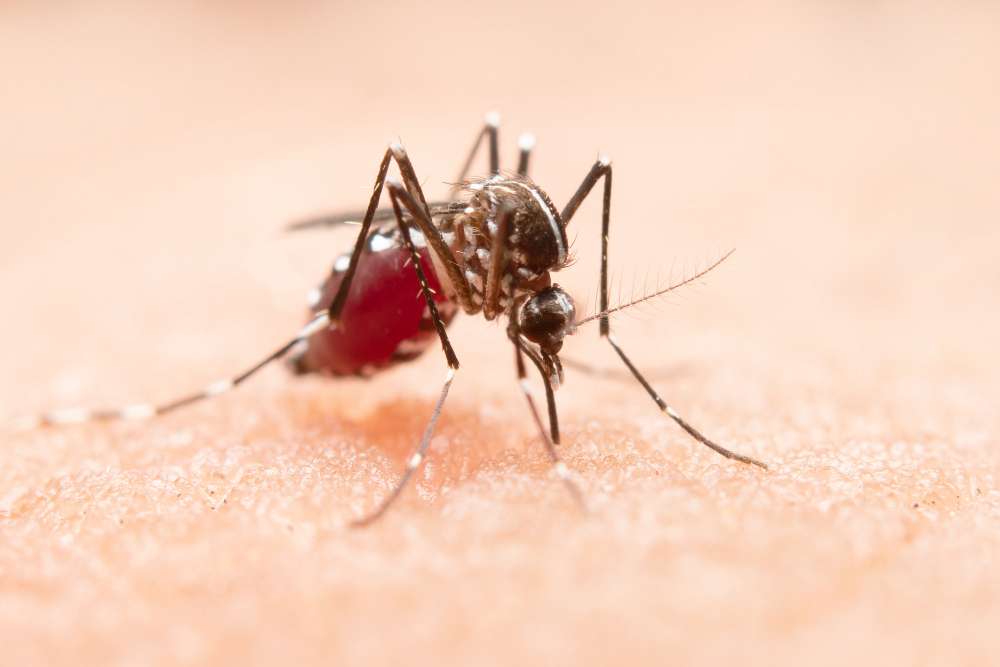
Dengue fever is caused by the dengue virus, which is transmitted to humans through the bite of infected female Aedes mosquitoes, primarily Aedes aegypti. These mosquitoes thrive in warm, humid environments and are most active during the day. Urban areas with poor sanitation and stagnant water sources provide ideal breeding grounds for these mosquitoes, increasing the risk of dengue transmission.Dengue Fever – Multi Speciality Hospital in Salem .
Preventing Dengue Fever
Prevention is the cornerstone of managing dengue fever, as there is currently no specific antiviral treatment for the disease. Here are some effective preventive measures:
- Mosquito Control:
- Eliminate standing water around your home, as it serves as a breeding ground for mosquitoes.
- Use mosquito repellents containing DEET, picaridin, or oil of lemon eucalyptus.
- Install screens on windows and doors to prevent mosquitoes from entering your living spaces.
- Protective Clothing:
- Wear long-sleeved shirts and long pants to minimize skin exposure, especially during peak mosquito activity hours (early morning and late afternoon).
- Mosquito Nets:
- Use mosquito nets while sleeping, particularly in areas with a high prevalence of dengue.
- Community Efforts:
- Participate in community-based initiatives to clear stagnant water from public spaces and reduce mosquito populations.
Treatment Options for Dengue Fever
While there is no specific cure for dengue fever, early intervention and supportive care can help manage symptoms and prevent complications. Here’s how dengue is treated:
- Hydration:
- Staying hydrated is critical, especially if you’re experiencing high fever, sweating, or vomiting. Drink plenty of fluids like water, oral rehydration solutions, or coconut water.
- Pain Relievers:
- Acetaminophen (paracetamol) is recommended to alleviate pain and reduce fever. Avoid nonsteroidal anti-inflammatory drugs (NSAIDs) like aspirin or ibuprofen, as they can increase the risk of bleeding.
- Rest:
- Ensure adequate rest to allow your body to recover.
- Medical Attention:
- Seek immediate medical care if symptoms worsen or if warning signs of severe dengue (such as dengue hemorrhagic fever or dengue shock syndrome) appear. These include severe abdominal pain, persistent vomiting, bleeding, or difficulty breathing.
- Hospitalization:
- In severe cases, hospitalization may be required for intravenous fluid replacement, close monitoring, and supportive care.
Why Early Detection Matters
Dengue fever can progress rapidly into severe forms, which can be life-threatening if not treated promptly. Recognizing the symptoms early and seeking medical care can make a significant difference in recovery outcomes.
At SK Hospital, under the expert guidance of Dr. S. Nishanth, our team is dedicated to providing accurate diagnosis and personalized treatment plans tailored to individual needs. Whether you’re looking for preventive advice or require urgent care, we’re here to support you every step of the way.
For more information or to consult with Dr. S. Nishanth, visit his official website. You can also reach out to SK Hospital for comprehensive healthcare services and expert consultation.
Conclusion
Dengue fever remains a pressing public health concern, but with awareness and proactive measures, its impact can be minimized. By preventing mosquito bites, staying vigilant about symptoms, and seeking timely medical care, you can protect yourself and your loved ones from this potentially serious illness.
For expert guidance and personalized care, trust Dr. S. Nishanth and the dedicated team at SK Hospital. Together, we are committed to ensuring your health and well-being.
