
Newer Techniques in Thyroid Surgery | Multi Speciality Hospital in Salem
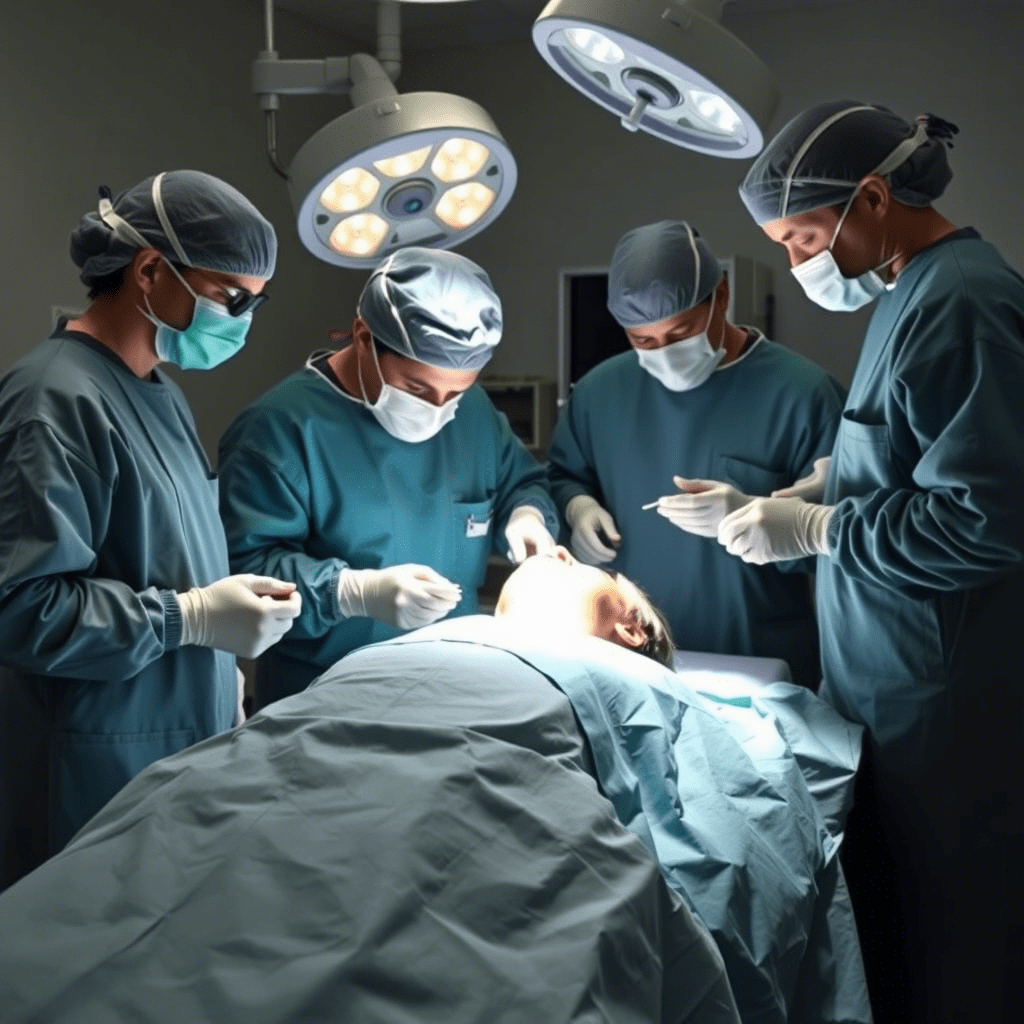
Newer Techniques in Thyroid Surgery | Multi Speciality Hospital in Salem
Thyroid surgery, also known as a thyroidectomy, is a common procedure performed to treat conditions such as thyroid cancer, goiter, hyperthyroidism, and thyroid nodules. Over the years, advancements in surgical techniques have transformed thyroid surgery, making it safer, less invasive, and more cosmetically appealing. These newer techniques aim to reduce complications, speed up recovery, and improve patient satisfaction. Here’s an overview of the latest innovations in thyroid surgery.
1. Minimally Invasive Thyroid Surgery
Minimally invasive techniques have revolutionized thyroid surgery by reducing incision size and minimizing tissue damage.
- Endoscopic Thyroidectomy:
- Uses small incisions and specialized instruments with a camera (endoscope) to visualize and remove the thyroid gland.
- Offers reduced scarring and faster recovery compared to traditional open surgery.
- Robotic-Assisted Thyroidectomy:
- Utilizes robotic systems like the da Vinci Surgical System to enhance precision and control during the procedure.
- Allows surgeons to operate through remote access sites, such as the armpit or chest, avoiding visible neck scars entirely.
2. Transoral Endoscopic Thyroidectomy (TOET)
This innovative technique involves accessing the thyroid gland through the mouth, leaving no visible external scars.
- How It Works:
- Small incisions are made inside the lower lip, and endoscopic instruments are used to remove the thyroid.
- Ideal for patients concerned about cosmetic outcomes.
- Benefits:
- No visible neck scars.
- Reduced risk of skin nerve damage compared to traditional approaches.
- Considerations:
- Not suitable for all patients, particularly those with large thyroid glands or extensive disease.
3. Scarless Thyroid Surgery
Scarless techniques focus on eliminating visible scarring by using natural body openings or hidden access points.
- Transaxillary Approach:
- The incision is made in the armpit, and the thyroid is accessed through a tunnel created under the skin.
- Leaves no scar on the neck while maintaining excellent cosmetic results.
- Retroauricular Approach:
- The incision is placed behind the ear, hidden within natural creases.
- Combines aesthetic benefits with minimal invasiveness.
4. Advanced Imaging and Navigation
Modern imaging technologies have improved the precision and safety of thyroid surgery.
- Intraoperative Ultrasound:
- Used during surgery to locate and assess thyroid nodules or lymph nodes in real time.
- Helps ensure complete removal of diseased tissue while preserving healthy structures.
- Nerve Monitoring Technology:
- Protects the recurrent laryngeal nerve, which controls vocal cord function, by providing real-time feedback during surgery.
- Reduces the risk of voice changes or hoarseness post-surgery.
5. Hemostatic Tools and Energy Devices
New tools have been developed to minimize bleeding and improve surgical efficiency.
- Harmonic Scalpels and LigaSure Devices:
- Use ultrasonic energy or electrical current to seal blood vessels and tissues simultaneously.
- Reduce operative time and the need for additional sutures.
- Advanced Hemostatic Agents:
- Help control bleeding during and after surgery, lowering the risk of complications.
6. Personalized Surgical Approaches
With advancements in diagnostics, surgeons can now tailor procedures based on individual patient needs.
- Molecular Testing:
- Identifies benign versus malignant thyroid nodules, allowing for more conservative surgeries when appropriate.
- Lobectomy vs. Total Thyroidectomy:
- For small, low-risk cancers, removing only one lobe of the thyroid (lobectomy) may be sufficient, preserving thyroid function and reducing the need for lifelong hormone replacement therapy.
7. Enhanced Recovery After Surgery (ERAS) Protocols
ERAS protocols focus on optimizing preoperative, intraoperative, and postoperative care to improve outcomes.
- Preoperative Preparation:
- Includes patient education, nutritional support, and avoiding prolonged fasting before surgery.
- Pain Management:
- Multimodal pain relief strategies reduce reliance on opioids and promote faster recovery.
- Early Mobilization:
- Encourages patients to resume normal activities sooner, reducing the risk of complications like blood clots.
8. Focus on Cosmetic Outcomes
Patient satisfaction has become a priority in thyroid surgery, leading to innovations that prioritize aesthetics.
- Smaller Incisions:
- Traditional thyroid surgery involved a 4–6 cm incision, but newer techniques often use incisions as small as 2–3 cm.
- Hidden Scars:
- Techniques like TOET, transaxillary, and retroauricular approaches eliminate visible neck scars, addressing patient concerns about appearance.
Why Choose Advanced Thyroid Surgery?
The newer techniques in thyroid surgery offer several advantages over traditional methods:
- Reduced Scarring: Improved cosmetic outcomes boost confidence and satisfaction.
- Faster Recovery: Minimally invasive approaches result in shorter hospital stays and quicker return to daily activities.
- Lower Complication Rates: Advanced tools and technologies enhance safety and precision.
At SK Hospital, under the expert guidance of Dr. S. Nishanth, our team specializes in cutting-edge thyroid surgery techniques tailored to each patient’s unique needs. From minimally invasive procedures to scarless options, we prioritize your health, comfort, and cosmetic preferences.
For more information or to consult with Dr. S. Nishanth, visit his official website. You can also reach out to SK Hospital for expert consultation and compassionate care.
Conclusion
Advancements in thyroid surgery have made it possible to achieve excellent clinical outcomes while addressing patient concerns about scarring and recovery. Whether you’re considering traditional or minimally invasive options, consulting with an experienced surgeon is key to determining the best approach for your condition.
For expert guidance and personalized care, trust Dr. S. Nishanth and the dedicated team at SK Hospital. Together, we are committed to ensuring your health and well-being through state-of-the-art thyroid care.
