
Snake Bite Treatment: Inside the ICU Response
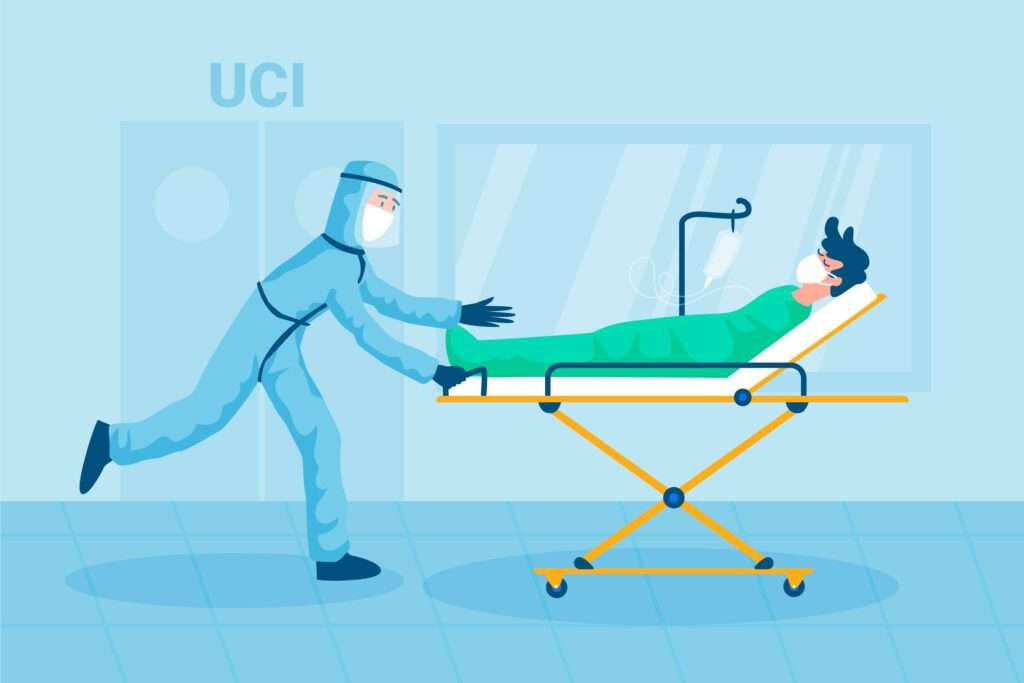
Snake Bite Treatment: Inside the ICU Response
Snake Bite Treatment: Inside the ICU Response.A snake bite can be a medical emergency that requires immediate treatment, especially in critical cases. With the potential to cause severe complications or even death, prompt medical intervention is crucial to prevent long-term damage. Snake Bite Treatment: Inside the ICU Response.The Intensive Care Unit (ICU) plays a vital role in managing severe cases of snake bites, providing specialized care and monitoring that can make the difference between life and death.
In this blog, we will explore the importance of ICU care for snake bite victims, the steps involved in treatment, and how healthcare providers ensure optimal recovery.
Understanding Snake Bites and Their Impact
Snake bites can be life-threatening, depending on the type of snake and the amount of venom injected. Venomous snakes, such as cobras, vipers, and kraits, deliver potent toxins that can affect various body systems. These toxins cause a range of symptoms, including:
- Pain and swelling at the site of the bite.
- Nausea, vomiting, and dizziness.
- Difficulty breathing or respiratory distress.
- Paralysis or loss of consciousness.
- Hemorrhaging (bleeding) or internal organ failure.
The venom can spread rapidly through the bloodstream, causing systemic damage and requiring immediate medical intervention.
ICU Response to Snake Bites
In severe cases of snake bites, patients are often transferred to the ICU for close monitoring and specialized treatment. The ICU team, consisting of doctors, nurses, and critical care specialists, ensures that the patient receives the best care possible.
1. Initial Stabilization
The first step in managing a snake bite victim is to stabilize their condition. This may involve:
- Maintaining airway and breathing: If the patient is struggling to breathe, ventilatory support may be required, such as mechanical ventilation or oxygen therapy.
- Cardiovascular support: Blood pressure may drop drastically in severe cases, requiring intravenous fluids or medications to stabilize circulation.
- Pain management: Effective pain control is crucial for the patient’s comfort, often using analgesics or sedatives.
2. Antivenom Administration
The most critical part of treatment for venomous snake bites is the administration of antivenom. Antivenoms are specific to the type of snake and are used to neutralize the venom’s effects. In the ICU, antivenom is administered under close supervision, and doctors carefully monitor for any adverse reactions, such as allergic responses or anaphylaxis.
3. Monitoring Vital Signs
Since snake venom can affect multiple organs, constant monitoring is essential in the ICU. This includes:
- Blood pressure monitoring to detect any signs of shock or cardiovascular collapse.
- Heart rate and oxygen levels to ensure proper circulation and breathing.
- Urine output and renal function tests to monitor for kidney damage caused by venom.
- Neurological assessment to check for signs of paralysis or central nervous system involvement.
4. Wound Care and Infection Prevention
The bite site must be cleaned and treated to prevent infection. In some cases, debridement (removal of dead tissue) may be necessary if the wound becomes necrotic. Tetanus vaccination is also administered to prevent infection, as snake bites often introduce bacteria into the body.
5. Managing Complications
In the ICU, patients may experience complications such as:
- Coagulation disturbances (difficulty clotting) due to the venom’s effect on the blood.
- Respiratory failure if the venom affects the nervous system or muscles.
- Kidney failure due to toxin buildup and tissue damage.
These complications are managed with dialysis if necessary, along with the use of blood products or medications to restore normal function.
Key Treatments in ICU for Snake Bite Victims
- Antivenom Administration: The most important treatment for neutralizing venom.
- Supportive Care: Includes ventilatory support, IV fluids, pain management, and circulatory support.
- Close Monitoring: Continuous assessment of vital signs, organ function, and neurological status.
- Wound Management: Cleaning, debridement, and prevention of infection.
- Prevention of Complications: Using treatments like blood clotting factors, dialysis, or respiratory support.
Conclusion
Snake bites, especially from venomous species, can lead to severe medical emergencies that require immediate and intensive care. The ICU provides specialized treatment and 24/7 monitoring, which are critical to ensuring the survival and recovery of snake bite victims.
In cases of snake bites, early intervention is key to preventing complications. The timely administration of antivenom, along with supportive care and vigilant monitoring in the ICU, can significantly improve outcomes for patients.
If you or someone you know experiences a snake bite, it is essential to seek medical care immediately. Fast action and expert ICU care can save lives.
