
Thyroid Storm: Causes, Symptoms, Diagnosis & Treatment
Thyroid Storm: Causes, Symptoms, Diagnosis & Treatment
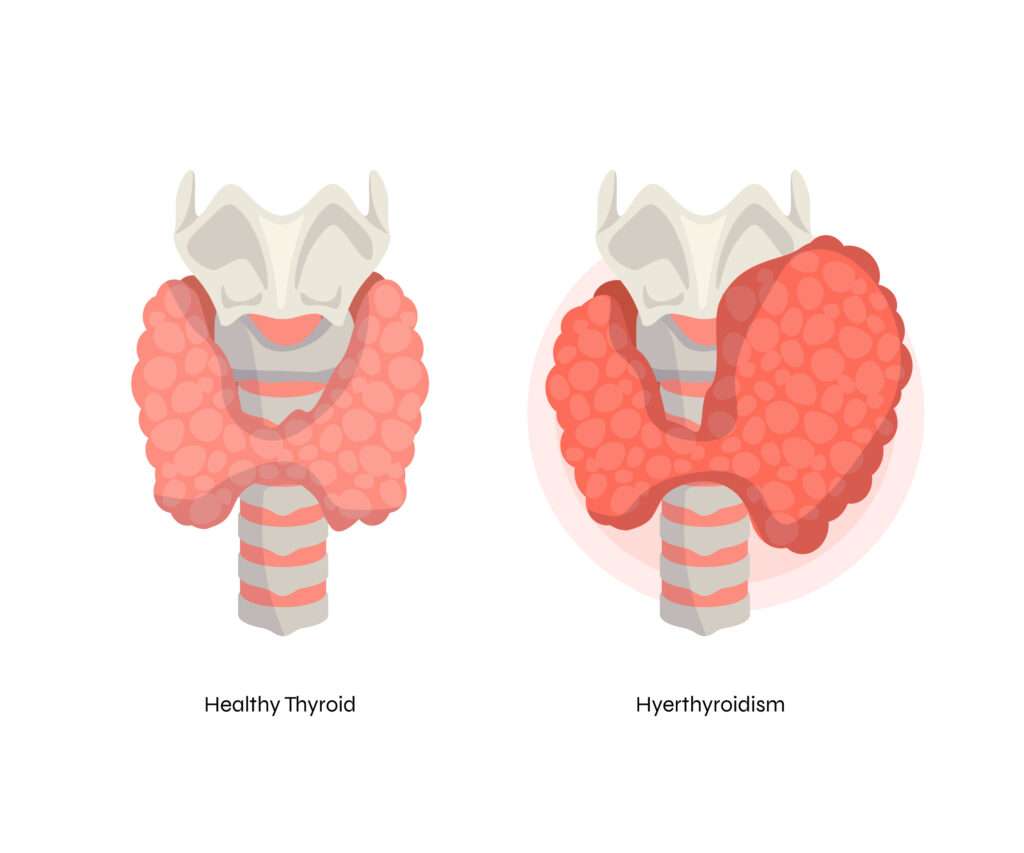
Thyroid storm is a life-threatening medical emergency that occurs due to severe hyperthyroidism (overactive thyroid). It is characterized by an acute exacerbation of thyroid hormone levels in the body, which can lead to multiple organ failure, cardiac complications, and even death if not treated immediately. Understanding the causes, symptoms, diagnosis, and treatment of thyroid storm is crucial for effective management.
In this blog, we will discuss everything you need to know about thyroid storm, from its causes to its emergency treatment protocols.
What is Thyroid Storm?
Thyroid storm, also called thyrotoxic crisis, is a rare but serious complication of hyperthyroidism, where thyroid hormone levels become excessively high in the bloodstream. The condition is typically triggered by a precipitating event such as infection, trauma, surgery, or discontinuation of anti-thyroid medications. When left untreated, thyroid storm can lead to cardiovascular collapse, stroke, and organ dysfunction, requiring immediate medical intervention.
Causes of Thyroid Storm
Thyroid storm is often triggered by factors that increase the body’s thyroid hormone levels or exacerbate an existing thyroid condition. The most common causes include:
1. Untreated Hyperthyroidism
- The majority of thyroid storm cases occur in individuals who have pre-existing hyperthyroidism, often due to Graves’ disease or toxic multinodular goiter. These conditions result in the overproduction of thyroid hormones, which can eventually lead to thyroid storm.
2. Infection
- Severe infections, especially pneumonia or sepsis, can trigger thyroid storm in people with hyperthyroidism. Infections can cause the body to release more thyroid hormones, precipitating the crisis.
3. Trauma or Surgery
- Physical trauma or surgical procedures, particularly those involving the neck or thyroid gland, can lead to a rapid release of thyroid hormones into the bloodstream, resulting in thyroid storm.
4. Discontinuation of Antithyroid Medications
- Suddenly stopping or improperly taking antithyroid medications can cause a flare-up of hyperthyroidism, increasing the risk of thyroid storm.
5. Stress or Emotional Distress
- Stress, such as emotional trauma or physical strain, can also trigger thyroid storm in individuals with an underlying thyroid disorder.
Symptoms of Thyroid Storm
Thyroid storm develops rapidly, and symptoms typically worsen within hours. Early recognition of the symptoms is essential for prompt treatment and preventing complications. Symptoms include:
1. Fever
- A high fever (above 101°F or 38.3°C) is one of the hallmark signs of thyroid storm. The fever is often accompanied by sweating and heat intolerance.
2. Tachycardia (Rapid Heart Rate)
- Patients often experience extremely high heart rates (over 140 beats per minute), which can be life-threatening if not controlled.
3. Severe Agitation or Delirium
- Mental confusion, agitation, restlessness, or even delirium can occur as a result of the high levels of thyroid hormones.
4. Vomiting and Diarrhea
- Gastrointestinal symptoms such as nausea, vomiting, and diarrhea are common, leading to dehydration and electrolyte imbalances.
5. Cardiovascular Issues
- Heart failure, arrhythmias (irregular heartbeats), and hypertension (high blood pressure) can occur due to the over-stimulation of the cardiovascular system by thyroid hormones.
6. Tremors and Muscle Weakness
- Muscle weakness and tremors (shaking) may occur as the body’s metabolic rate increases dramatically.
7. Shortness of Breath
- Respiratory distress and difficulty breathing may arise due to the effects of thyroid hormones on the cardiovascular and respiratory systems.
In severe cases, unconsciousness, seizures, or coma may develop, requiring urgent medical attention.
Diagnosis of Thyroid Storm
Early and accurate diagnosis is critical to initiate appropriate treatment for thyroid storm. The diagnosis is based on clinical symptoms, laboratory tests, and imaging.
1. Clinical Evaluation
- Doctors will assess the patient’s symptoms, medical history, and risk factors for hyperthyroidism. If the patient has a history of Graves’ disease or other thyroid disorders, this will be taken into account.
2. Blood Tests
- Blood tests are conducted to measure thyroid hormone levels, particularly:
- T3 (Triiodothyronine)
- T4 (Thyroxine)
- TSH (Thyroid Stimulating Hormone) – Low levels of TSH with high levels of T3 and T4 indicate hyperthyroidism.
- Additional tests are done to check for elevated liver enzymes, electrolyte imbalances, and kidney function.
3. Imaging
- In some cases, imaging studies like thyroid scans may be conducted to identify the cause of hyperthyroidism, such as a goiter or nodules in the thyroid gland.
Treatment of Thyroid Storm
The treatment of thyroid storm is aimed at stabilizing the patient, controlling thyroid hormone levels, and preventing cardiac and multi-organ complications. The treatment approach typically involves:
1. Antithyroid Medications
- Propylthiouracil (PTU) or Methimazole are administered to block thyroid hormone production and decrease the release of thyroid hormones into the bloodstream.
2. Beta-Blockers
- Beta-blockers such as propranolol are used to control the heart rate and manage symptoms like high blood pressure, tachycardia, and anxiety.
3. Corticosteroids
- Corticosteroids like hydrocortisone are given to reduce inflammation and help manage adrenal function, as thyroid storm can lead to adrenal insufficiency.
4. Iodine Therapy
- Iodine solutions (e.g., Lugol’s iodine) can be administered to reduce the release of thyroid hormones from the thyroid gland.
5. Fluid Resuscitation
- Intravenous fluids are given to correct dehydration, support blood pressure, and restore electrolyte balance.
6. Cooling Measures
- Cooling measures, such as ice packs or cooling blankets, are employed to manage the high fever and prevent heat stroke.
7. Intensive Care Unit (ICU) Monitoring
- Patients are closely monitored in an ICU setting, with continuous cardiac monitoring, respiratory support, and neurological assessment to prevent complications.
Conclusion
Thyroid storm is a critical medical emergency that requires immediate diagnosis and treatment. If you or a loved one has hyperthyroidism, it’s crucial to adhere to prescribed medications, monitor for symptoms, and seek medical help immediately if symptoms of thyroid storm develop.
For more information on thyroid disorders or emergency care, consult with a healthcare provider at Dr. S Nishanth’s Hospital or visit drsnishanth.com.
