Microplastics and Your Health: What We Know and How to Reduce Exposure
Microplastics and Your Health
By Dr S. Nishanth
MD, DNB (General Medicine), MRCP (UK), FNB (Critical Care), EDIC, FECMO
Internist, Intensivist & ECMO Consultant
Head, Department of Critical Care Medicine, SKS Hospital and Postgraduate Medical Institute, Salem
Published: 31 October 2026
In short
Microplastics are now found inside the human body, but proof that they cause disease is still limited, so the sensible response is to cut easy exposures without panic.
-
- Plastic particles have been reported in blood, artery plaque, the placenta, the brain and the testes.
-
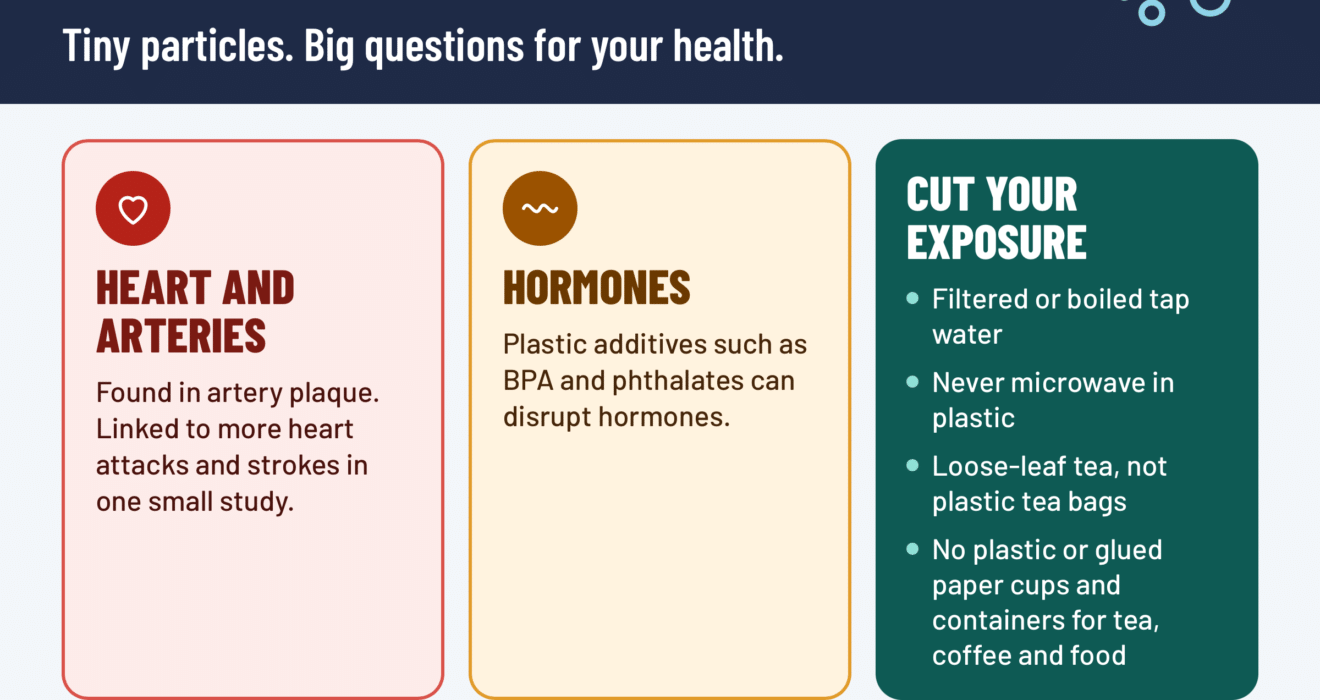
- One small study links plastic in neck-artery plaque with about 4.5 times more heart attacks, strokes and deaths. This is an association, not proof.
-
- Chemicals added to plastic, such as BPA and phthalates, have clearer hormone effects than the particles themselves.
-
- Simple habits lower exposure: safer water, no heating of plastic, no plastic or glued paper cups and containers for hot drinks and food, and fewer synthetic and single-use items.
What are microplastics?
Microplastics are plastic fragments and fibres smaller than 5 mm. Nanoplastics are smaller still, down to a fraction of the width of a hair.
Some are made small on purpose, such as the beads once used in scrubs. Most form when larger plastic items wear down, are heated, or are washed. We take them in by swallowing and breathing.
Where they come from
Most exposure comes from everyday items in the kitchen, the wardrobe and the living room.
-
- Drinks: bottled water and disposable cups. All tested cup types, including plastic-lined paper cups, released particles, more so with hot, fizzy or acidic drinks.
-
- Food and heat: microwaving or storing hot food in plastic containers, and heating plastic baby bottles.
-
- Tea bags: plastic-based tea bags can release large numbers of particles when steeped.
-
- Kitchenware: plastic cutting boards, bowls, blenders, electric kettles, sponges and non-stick (PTFE) pans.
-
- Fabrics and dust: synthetic clothes, carpets, upholstery and curtains shed fibres into the home dust we breathe and swallow.
-
- Personal care: some leave-on products such as lotions and lipsticks, and menstrual products.
What the evidence shows
The link to heart disease is the strongest signal so far, and it is still a signal, not a verdict.
| Area | What has been reported | Strength of evidence |
|---|---|---|
| Heart and arteries | Plastic found in neck-artery plaque. About 6 in 10 patients had it, and they had about 4.5 times more heart attacks, strokes or deaths over roughly three years. | Association in one small study |
| Hormones | BPA and phthalates, added to plastics, can disrupt hormone systems. | Established for the chemicals, not shown for the particles |
| Inflammation | Particles may irritate the gut and lungs and trigger inflammation. | Possible, still being studied |
| Inside the body | Particles reported in the brain, placenta and testes. | Detected, but effects unknown and measurement disputed |
The heart study, published in 2024 in the New England Journal of Medicine, followed people who had surgery to clear the carotid artery. It cannot say why some had plastic in their plaque and others did not, or whether the plastic caused the events.
What we do not know
Some of the headline findings may be partly wrong, because measuring plastic particles inside human tissue is very hard.
-
- Scientists interviewed by The Guardian said many detections may be contamination or false positives. The paper identified seven studies challenged by other researchers in the journals where they appeared.
-
- A recent analysis of 18 studies found they did not account for human tissue itself producing signals that look like common plastics.
-
- Particles sit at the limit of current laboratory methods, and some groups may have rushed the work. The reporting suggests no malpractice.
-
- No safe intake level has been agreed, and we do not know how much exposure causes harm.
-
- Most human findings are associations. Sicker people may simply be exposed differently from healthier people.
The honest summary is that the particles are real and widespread, the risk to you personally is not yet quantified, and research is moving quickly.
How to reduce your exposure
Start with water and heat. These have the best support and cost little.
-
- Drink filtered or boiled tap water from a steel or glass bottle. One 2019 estimate suggests people who drink only bottled water take in about 90,000 more particles a year, versus about 4,000 more when using tap water. This rests on a single estimate.
-
- Boil or filter your water. A 2024 study found boiling removed at least 80% of micro- and nanoplastics. Look for filters certified to NSF/ANSI 53.
-
- Do not microwave or cook food in plastic. Move food to glass or ceramic before reheating, even if the container says microwave safe.
-
- Do not heat plastic baby bottles. A 2020 study found heating released microplastics into formula or milk.
-
- Choose loose-leaf tea over plastic-based tea bags. Avoid plastic cups and plastic-lined or glued paper cups and containers for tea, coffee and hot food. Choose steel, glass or ceramic, or carry your own cup.
-
- Wash plastic containers by hand, and do not reuse single-use plastic containers for food.
-
- Prefer natural fabrics and fewer synthetic carpets where practical, since these shed fibres into household dust.
A doctor’s note
Do not panic, and do not stop drinking water or eating out of fear. Reduce the exposures that are easy to change.
There is no proven way to remove microplastics from the body, so be wary of detox products that claim to. Keep controlling the risks we can measure: blood pressure, cholesterol, blood sugar, smoking and exercise.
If you have heart disease, diabetes or are pregnant, continue your treatment and raise any concerns with your own doctor.
This article is for public awareness and does not replace advice from your treating doctor.
Sources
Pages opened for this article, as of 1 November 2026:
-
- Henry Ford Health: How microplastics can affect your heart health: the carotid plaque study and its limits.
-
- Summary of The Guardian report on doubts about microplastic measurements in human tissue: a community mirror of the report, not the original page.
-
- Fortune: How to reduce microplastics exposure: water, heat and container advice, including the 2019, 2020 and 2024 studies cited.
-
- NRDC: Microplastics are a growing threat: common sources. This is an advocacy organisation.
About the Author
Dr S. Nishanth (MD, DNB General Medicine, MRCP UK, FNB Critical Care, EDIC, FECMO) is an Internist, Intensivist and ECMO consultant with over 15 years of clinical experience. He is Head of the Department of Critical Care Medicine at SKS Hospital and Postgraduate Medical Institute, Salem, and offers care from outpatient consultations to ICU management, including diabetes and its complications, fever and sepsis, hypertension, pneumonia and ARDS.
Contact: SKS Hospital and Postgraduate Medical Institute, Salem – 636004 | +91 88070 86743 | nishanth.aarnish@gmail.com
Website: drsnishanth.com Instagram: @dr_s.nishanth